

Key Takeaways
- Understand how the historic winter storm in January 2026 affected home sales in Canada.
- Explore weather-related market dips as investment opportunities.
- Learn about differences in home sales across Canada.
- Get expert insights and forecasts for the real estate market.
- Discover tips for investing in current market conditions.
Introduction
In January 2026, the Canadian real estate market found itself in a bit of a deep freeze, thanks to a colossal winter storm sweeping through Southern Ontario. It was quite the event, disrupting life and putting a chill on home sales, leading to a distinct drop for that month. If you’re a homeowner or thinking about diving into the investment pool, grasping these fluctuations is key to keeping up with this ever-twisting real estate landscape.
This blog is here to unravel the January slump’s causes, show how weather events can stir up interesting investment waters, and generally highlight the strength of Canadian real estate. We’re breaking it down by region, sussing out how home sales and listings differ across our great white north.
Expect some expert predictions and handy tips for would-be investors eyeing today’s scene. Despite the snow and its chilly reception, Canada’s real estate market is as dynamic as ever. Those in the know can spot chances when others are feeling frozen out. This blog offers you a comprehensive view of the market landscape, revealing what’s ahead and helping you make smart moves amid challenges and opportunities.
Storm Backstory
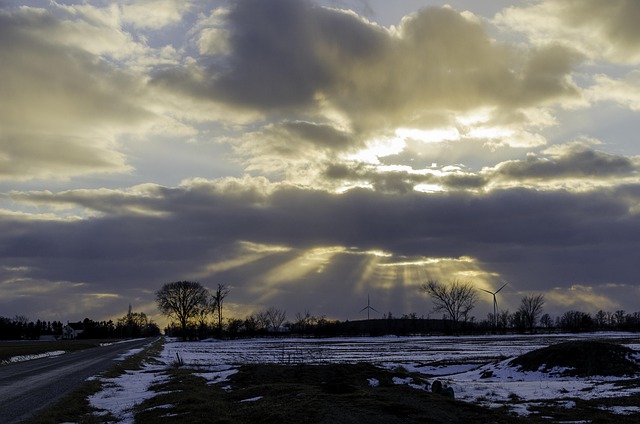
Between January 23 and 27, 2026, Southern Ontario experienced one of the most severe winter storms that folks have seen in ages. This whopper of a storm didn’t just slow down daily lives; it smacked the local housing market pretty hard too. Over a few days, cities were plastered in record snow, shutting down schools, businesses, and roads. It’s like nature decided to hit pause, leaving snow up to your waist and plows chugging along to clear it all.
Picture this: snow drifts so high you wonder if you’ll ever see your car again. Many fellas faced frozen pipes and roofs needing more than just a sweep to stop leaks. Flights stopped, folks were stranded— an absolute hullabaloo. Business ground to a stop as consumers huddled at home. For some readers, this stir-up might ring a bell, like an ice storm of nostalgia.
Remember those snow days that left you cozied up at home for hours with a shovel? Rare they are, but when such storms hit, all of life seems to curl up into a snowbank. This storm specifically slowed down home sales as open houses were postponed, and potential buyers wisely stayed tucked inside. Getting a handle on these colossal interruptions helps us piece together why real estate went into hibernation for a spell, teeing up for any windows of opportunity that thaw might bring.
Market Stats Analysis
January 2026 wasn’t exactly a banner month for home sales in Canada. According to stats from the Canadian Real Estate Association (CREA), Southern Ontario’s snowstorm threw a spanner in the works. Overall home sales took a dip, and that was largely thanks to folks not wanting to brave the elements. But the weather wasn’t the only trick up the market’s sleeve.
Suddenly, new listings shot up. Homeowners scrambled to adapt, throwing their properties onto the market to see if they’d catch a bite. The sales-to-new-listings ratio (SNLR) shifted, hinting at more of a buyer’s market where buyers hold the cards. Inventory crept upward, meaning homes lingered longer. Yet, prices didn’t take a nosedive. Instead, they held fairly steady, showcasing resilience that surprised the market, with a few regional oddities, depending, of course, on local demands.
To decode these digits, charts and tables prove handy. A look at last year’s sales figures lays bare just how unusual this winter’s impact was. This snapshot illustrates the fast ripple of weather’s whim through housing, shaking up everything from sales to price tags. Analyzing these stats reveals how attentive buyers and investors might just spot fresh opportunities among the snowdrifts, picking their moment amid the market’s ever-shifting sands.

Regional Spotlights
January 2026 turned Southern Ontario into a frosty tableau, significantly throttling down home sales. It was tough for anyone to inspect homes or hold open houses amidst the snow blitz. This icy saga might seem like it cast a pall only over Southern Ontario, but glancing across Canada, other stories emerged.
In stark contrast, regions like Montreal, Quebec City, Calgary, and Vancouver saw a flurry—not of snow, but of new listings. Buyers here lounged luxuriously under an umbrella of fresh options, possibly sparking competitive pricing. Some provinces even watched their home prices rise despite the cold snap. Meanwhile, others stayed stable—quite the enticing moment for bargain hunters and investment pioneers alike.
A peek into how various areas weathered the storm gives invaluable lessons on where things might head next. Southern Ontario might thaw and bounce back, while other regions take the ball and run with it. Grasping these regional narratives is critical whether you’re eyeing up perfect living quarters or scoping hot property investments. These diverse market movements offer chances where financial goals align, while the market crackles with potential from coast to coast.
Expert Quotes & Forecasts
In matters of real estate, having experts paint the crystal ball can be enlightening. According to Shaun Cathcart from the Canadian Real Estate Association (CREA), January’s dip, thanks to Ontario’s blizzard, isn’t the end of the line. He’s expecting a comeback as the skies clear—and with it, a rush in home sales and maybe even a price hike to boot.
The CREA’s looking ahead at 2026 with an optimistic tilt. Once we shake off winter’s chill, they forecast home sales getting back on track and maybe some price tags ticking upward. Sellers and investors should be tilting their ears towards this, sizing up the market windows for good investments while prices are on their way back from the brink.
Though January was a rough patch, listening to insiders suggests brighter skies soon. For those pondering homes or investments, keeping a finger on the market’s pulse with expert predictions can lead to savvy decisions and successful stakes in real estate. Amid this chilled ripple, now could be just the moment to step in before things heat up, and those keen-eyed folks secure property at an appealing rate.
Pent-Up Demand and Investment Opportunities
While Southern Ontario’s recent blizzard caused a slump in January 2026’s home sales, there’s more beneath the snow! What you see is just part of the game, as we’ve got what’s known as pent-up demand brewing. When the flakes settle, buyers often rush back, eager to make moves now that conditions are fine and dandy. It’s this surge that sellers and investors find potentially quite exciting!
This is particularly interesting for investors, thanks to the Strategic New Listing Ratio (SNLR). With more houses than buyers, the market leans in favor of those ready to invest, opening up chances to scoop up bargains. Thinking about getting in the game? Eyes on areas like Montreal and Vancouver—or spots known to shake off storms quicker than others—might just yield gold.
Real estate is all about patterns: spotting demand build-ups and market stability. Such dynamics spell long-term growth for investors who want to get savvy in unstable weather. The key? Recognizing patterns and leveraging them as change happens. For those open to strategizing against current odds, there are promising paths ahead in real estate.
Historical Comparisons
Making sense of today’s real estate scene often means looking back at past weather tantrums. January 2025 saw a sales jump, while the 2014 GTA ice storm taught resilience through its tough blows. Both history bits show markets are hit-and-miss yet tough as old boots!
In 2025, while rates were low and buyers lunged forward, the market pulled off a headline-grabbing spurt—something quite different from our storm-hit January 2026. This just goes to show that external factors can send the market casserole into a whirl.
Likewise, 2014’s ice storm in the Greater Toronto Area was no fairy tale, but the market regained its groove soon after. This historied bounce-back whispers reassurances that even when the going gets taxing, recovery is ever within reach. Dipping into the historical pool highlights that even when weather rhymes badly for a while, there’s sunnier real estate ahead. Potential investors and homeowners heed these reminders through the chilly dips, where history sings of a warm market’s return.
Investor Tips and Strategies
Real estate investing in uncertain times is no walk in the park, but if you play your cards right, it’s potentially rewarding. So how can you get your foot in the door? Timing is everything, first off. Catching signals like the Sales-to-New-Listings Ratio (SNLR) can guide you on when to strike. A low SNLR hints at a buyer’s market—a golden hour for snapping up properties.
Diversifying your portfolio is another ace move. Rather than betting it all on one horse, spread your investments across different property types and locales. This minimizes risk and boosts returns, potentially.
Keep your sights also sharp for storm-resistant markets. These areas, markets that withstand crappy weather well, could offer more stable prospects for your investments. The recent dramatic Southern Ontario storm is a vivid testament to the importance of shrewd, weatherproof choices.
In the real estate world, knowledge isn’t merely power—it’s potential profit. Checking out market reports, expert forecasts, and reliable stats primes you to make smarter moves. By staying clued in, spotting emerging opportunities, or knowing when to tweak your game plan, your investments could bear more fruit.
Visuals and Engagement
We’re big fans of a good picture show, and it can make a blog so much more engaging! Introducing visual aids can really light up the stats and discussions we’ve put forward. How about maps from the Canadian Real Estate Association (CREA) as an example, showing home sales shifts across our sprawling land and the icy impact on Southern Ontario vs. other regions?
Clip together YouTube snippets with weather reports or interviews from market bigshots to enrich the audience’s view. Such videos offer a lens on the storm’s drama and predictions for real estate’s future.
Interactive elements are another great way to keep it lively. Imagine whipping up polls that ask readers about the storm’s effect on real estate or make chatter about upcoming market changes. By nudging folks to share thoughts, people get to connect their stories with our topic, too.
Don’t forget heartwarming scenarios to drive it home: like a snowy family saga, navigating the buying scene during the snowy surprise, or investors debating the when’s and why’s of plunging into current times. These bits bring a genuine feel and make this blog resonate more with readers, leaving memorable footprints.
Conclusion
In the end, Southern Ontario’s massive snowfall in January 2026 wasn’t just a shivery story of woe but a decent shot of opportunity for those with investment on their minds. Understanding how market ebbs and flows happen, particularly when weather tantrums hit, is paramount to smart decision-making.
As we’ve dived through these blog waters, we’ve witnessed the storm’s staggered effects regionally, unravelled shifts in market figures, and sipped wisdom from seasoned real estate voices. Despite the tempests, the Canadian housing arena remains a stalwart, proving time and again its strength in adversity. Demand build-up could herald recovery, fostering anticipation toward investment openings, especially in storm-tempered locales.
History has shown us resilience is real. Canada’s past real estate turmoil tells tales of markets rising again and again. With a keen eye on key market markers and a smart investment plan, there are opportunities amid the ash, ready for visitation. Armed with this guide, with insights and tactics, potential investors can skillfully benefit from these conditions, weathering storms and basking in brighter prospects.
So with market restoration ahead, the call is clear: Canadian real estate’s safe bet remains. Now, can you navigate these insights and evolving scenarios to cement a stronger real estate presence?
If you enjoyed this article, and is someone interested in learning more about investing, particularly about our mortgage fund, be sure to join our VIP list here.