
Key Takeaways:
- Learn how home building added $143.4 billion to Canada’s economy.
- See how over 1.2 million jobs were supported by housing construction.
- Discover why apartments are growing fast in cities.
- Find out which provinces are leading in building and why.
- Understand how your investment can grow your wealth and help your community.
Why This Matters to You
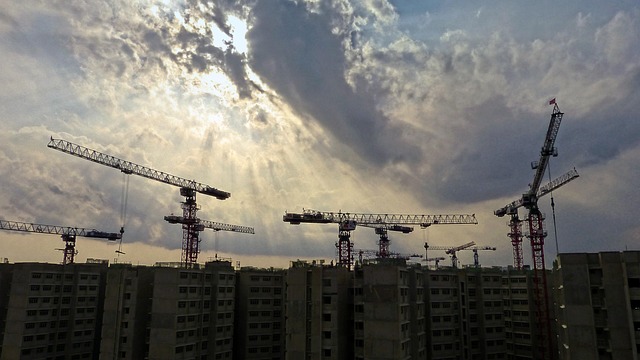
Ever walked through a neighborhood filled with cranes and construction crews and wondered, “What does all this mean for me?” Well, turns out—quite a bit. In 2024 alone, housing construction pumped $143.4 billion into the Canadian economy and kept over 1.2 million people employed. Those aren’t just impressive stats—they’re tangible ways construction is securing jobs, communities, and even our personal wealth.
Buying property, fixing up your home, or investing in a development project doesn’t just mean more space for your stuff. It means you’re playing a role in something much bigger. Housing fuels entire industries—construction, real estate, design, city planning—and keeps small businesses thriving. Want to help make your community stronger? There’s your ticket.
Especially if you’re between 30 and 45, you’re likely juggling a growing career, a family, or future investment ideas. This is the moment to start building—not just literal homes but a foundation for long-term success. And what better way to do that than to invest in something that offers you both personal returns and wider societal impact?
So let’s take a closer look at the ripple effect of housing construction: how it shapes jobs, opportunities, and even Canada’s future. It’s more than bricks and drywall—it’s your chance to invest in something lasting.
The Economic Engine Behind It All
Let’s be real—“$143.4 billion” is a huge number. But what does it actually mean in the grand scheme of Canada’s economy? Here’s a simpler way to think about it: nearly one out of every 30 bucks in the national GDP last year came from housing construction. That’s power.
Across Canada, housing assets are now worth around $4.2 trillion. That’s trillion—with a T. It includes everything from cozy bungalows to massive condo towers. For investors, that means plenty of opportunity to get in on assets that grow value over time. These homes aren’t just places to live—they’re a store of wealth for millions of Canadians.
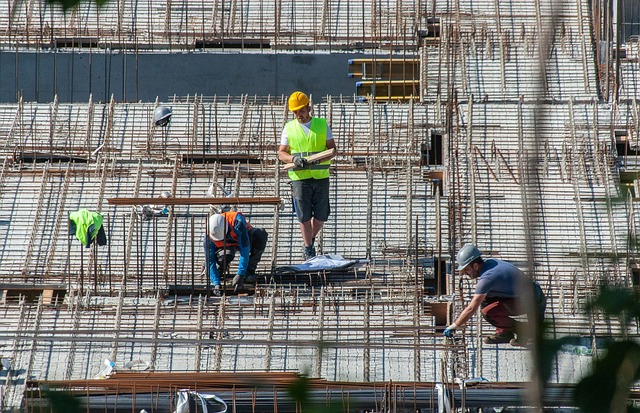
But it’s not just about rooftops and square footage. When a home is built, jobs are too. From drywall finishers to HVAC techs and even the guy running the neighborhood sandwich shop—housing construction touches all of them. The ripple effect is real, and it’s massive.
Whether you’ve already dipped your toes into real estate or you’re considering taking the plunge, keep this in mind: the housing sector doesn’t operate in a bubble. Every dollar invested helps drive growth, put people to work, and build stronger neighborhoods. It’s a big system—and your role in it matters more than you might think.
Growth in 2024: Tough Year, Solid Gains
Here’s something that might surprise you: 2024 wasn’t exactly a smooth ride economically, yet housing construction still managed to grow. In fact, investment in new builds rose 2.5%—pretty good considering higher interest rates and inflation tried their best to slow things down.
Adjusted for inflation, that growth dipped slightly into negative territory—down 0.4% in real terms—but that doesn’t take away from what it signals. People still need homes. Cities still crave development. Builders are still moving dirt. That says a lot about just how resilient the sector really is.
Higher borrowing costs did make building more expensive, especially early in the year. But developers didn’t pack up their tool belts. And investors? Many stayed confident. Construction kept moving forward, albeit more thoughtfully. That’s good news if you’re looking to put your money somewhere with some staying power.
Also helping push things along? Government support. Municipalities and provinces are all but begging developers to create more housing—especially affordable rentals. For every approval fast-tracked or grant offered, another project gets off the ground. Moral of the story? Housing is still a solid bet, especially when other sectors feel shaky.
Apartments Are Where It’s At
If 2024 had a housing MVP, it’d be apartments. Investment in these multi-residential buildings went up 6.9%, which is no small feat. What’s behind the trend? A lot of it comes down to practicality and changing lifestyles. People are moving to cities, and they want options that are closer to work, services, and amenities.
Apartments check a lot of boxes. They’re more affordable than detached homes, fit more people into smaller footprints, and make city living doable for families, retirees, and newcomers alike. Urban space is at a premium, and apartments make it go further.
For investors, the appeal is crystal clear. Rent demand is high. Vacancy rates are low. Whether you invest in a unit, a full complex, or something like a REIT, the returns are there. Plus, you’re helping to tackle the housing supply crunch head-on—and that’s a social win.
This shift toward multi-residential isn’t just a passing fad. It’s how housing is evolving in Canada’s growing urban centers. If you’re 30 to 45 and thinking about where to put your money, look here. Apartments are proving themselves as stable, scalable, and super relevant in today’s market.
Where the Action Is
Say what you want about real estate—location still reigns supreme. And in 2024, some provinces raced ahead while others tapped the brakes. Alberta and Quebec? They’re the front-runners, with strong numbers driving lots of residential growth. Think booming cities like Calgary and Montreal, where demand is high and the cranes are easy to spot.
What’s fueling that growth? Affordable land, strong job markets, and a welcoming attitude toward new development. Builders are saying, “OK, let’s go,” and municipalities are giving them the green light. That combo makes these regions prime for smart, timely investments.
Now, over in Ontario and British Columbia, things cooled off. The usual suspects—Toronto and Vancouver—are still important markets, but high costs and more cautious financing made new builds less appealing there in 2024. That doesn’t mean those areas aren’t worth watching long-term—but right now, faster growth might be found elsewhere.
If you’re scouting for investment opportunities, look beyond the mega cities. Secondary markets in Alberta and Quebec are showing real promise. And who knows? Getting in early in an emerging neighborhood might just beat trying to squeeze margin out of a saturated one.
Jobs, Jobs, and More Jobs
Let’s not forget the people making all this housing magic happen. In 2024, over 1.2 million jobs were supported by Canada’s housing construction industry. That’s a pretty big crowd—if you stacked everyone shoulder-to-shoulder, you’d probably stretch from Vancouver to Halifax and back.
But here’s what’s cool: it’s not just the folks operating cranes or hammering nails. We’re talking about landscape architects, truck drivers, engineers, inspectors, and even local café owners who serve up breakfast to morning crews. This ecosystem is enormous, and it’s incredibly local. When you invest in housing, you’re fueling livelihoods right in your own backyard.
Every new project kicks off a cascade of economic activity. Look beyond the walls of the home—think furniture stores, appliance retailers, delivery services. Even after construction wraps, homes need to be filled, maintained, and lived in. It’s a full-circle cycle.
That’s why investing in housing is such a unique opportunity. It doesn’t just grow your personal net worth—it supports communities and reinforces economies. Your investment becomes someone else’s stable career, and that feels pretty good.
Renovations and Single-Family Homes Hit Pause
Not every corner of the housing world was glowing green in 2024. Renovations, for instance, took a noticeable hit—down 4.4%. People are feeling the pinch from rising material and labor costs, and for many, holding off on that big kitchen revamp just made more sense.
It was a similar story for newly built single-family homes. With borrowing costs up, big-ticket mortgages became harder to secure, which led to fewer groundbreakings on what used to be suburban staples with yards and garages.
So, should you worry if you own a single-family home? Not necessarily. In fact, a slowdown might mean less competition when it comes to selling or renting out your property. Fewer new builds could tighten supply and nudge prices upward in the right neighborhoods.
If you were eyeing a reno-flip or large-scale upgrade, this might not be the season. But that doesn’t mean housing is off the table. The smart investor shifts with the market—and right now, the real action is in multi-unit rentals and emerging urban developments.
The Money Behind the Momentum
Behind every construction site is a financial story—and in 2024, it was all about rate hikes and government nudges. Higher interest rates earlier in the year made it pricier to borrow for new developments. That slowed some projects and pushed pause on others.
But hold tight. Things could be shifting. Economists expect interest rates to ease up, and that’s good news for builders and investors alike. Cheaper borrowing means more projects greenlit, more opportunities to invest, and better odds for solid returns.
On the flip side, policymakers are stepping in—hard. From federal to local levels, governments are rolling out incentives to get more housing built faster. Think tax breaks, grant programs, rezoning, and quicker approvals. Cities are leaning on builders and investors to help fix the housing crunch, and they’re making it easier to do exactly that.
Keep this in your back pocket: being aware of economic conditions doesn’t require a PhD. Just understanding when it’s cheaper to borrow and when governments are giving you a boost can seriously shape your success in real estate.
Making It Count—for You and Canada
Here’s the kicker: housing isn’t just a shot at personal gain—it’s a chance to build something that lasts. Real estate remains one of the strongest tools for creating wealth in Canada, especially for younger people trying to get ahead financially. Values tend to go up over time, equity builds, and before you know it, you’ve created something substantial—maybe even generational.
At the same time, your investment directly impacts real people. When you fund a new apartment complex or even just renovate a duplex for rental, you’re increasing housing supply. That helps cut down on rent pressures and gives more Canadians a shot at a decent home. That’s real impact—community impact.
And let’s not gloss over what it means for the economy. More builds, more jobs, more tax revenue, more prosperity. When you support housing construction, you support growth, stability, and opportunity—not just for you, but for your city, your province, and the country as a whole.
It’s not about flipping houses on TV. It’s about long-term strategy, choosing the right markets, and contributing to something bigger. So if you’ve been waiting for a sign to get involved… this might just be it.
Final Thoughts: Building More Than Homes
Let’s rewind for a second. Housing construction helped generate $143.4 billion and supported over 1.2 million Canadian jobs in 2024. It shapes how we live, work, invest, and grow as a country. Whether it’s a condo tower in Montreal or a duplex in Calgary, each project plays a role in building more than places to live—it builds stability, opportunity, and community.
We’ve seen where the hot spots are—Alberta and Quebec taking the lead—while higher interest rates cooled down other areas. But what hasn’t changed is the resilience of housing as an investment. Multi-residential units especially are proving to be smart plays in a shifting market.
Here’s the real takeaway: you’ve got a stake in all of this. Whether you’re dabbling in your first rental, thinking about buying into a co-op, or looking to expand your portfolio, the opportunity is in front of you. Smart, intentional investment in Canadian housing isn’t just good economics—it’s future building at its core.
The choices you make today will echo forward. So what kind of legacy do you want to leave—not just for your bank account, but for your community, your family, and generations to come?
If you enjoyed this article, and is someone interested in learning more about our mortgage fund, be sure to join our VIP list here.