

Key Takeaways:
- Understand why the Dufferin Grove Park encampment affects you as a homeowner.
- Learn how housing issues can impact your neighborhood and property value.
- See how responsible investing can help both your wallet and your community.
- Discover ways to invest in affordable housing for long-term gain.
- Find out how your choices can support a better future for Canadian cities.
The Investor’s Role in a Changing Housing Landscape
It’s easy to scroll past headlines about homeless encampments and assume they don’t affect you. But if you own a home—or plan to—you’re more involved than you think. The recent events at Dufferin Grove Park in Toronto weren’t just a blip in the local news. They were a reflection of the deeper cracks forming in our housing system.
The truth is, housing insecurity is growing across Canada. People are being priced out of the market, and when parks turn into shelter spaces, it’s not random—it’s a sign. Rising rents, scarce affordable units, and short-term city band-aids are driving people to desperate measures.
For homeowners, this trickles down fast. Feeling safe in your own neighborhood? Property values holding strong? That sense of community pride? All of it can erode when housing problems go ignored. But here’s the flip side: it’s also an opportunity. You’re in a prime spot to turn concern into action, to reshape your world with the resources you already have. Good investing doesn’t have to be cold or detached.
This isn’t just about homelessness—it’s about rethinking what it means to invest in real estate. Wealth can grow alongside community wellbeing if we put it to work in the right areas. There’s a way forward that benefits you—and everyone around you too.
Dufferin Grove Park: What Happened and Why It Matters
In the summer of 2025, a small cluster of tents went up in Dufferin Grove Park—home to a growing number of Torontonians without a home. This wasn’t about rebellion or rule-breaking. It was about visibility and survival. Residents weren’t looking for trouble; they were asking for housing that doesn’t vanish after a few nights.
By early fall, things escalated. The City of Toronto stepped in, choosing to clear the park. Barriers went up, police arrived, and tensions flared. Some residents resisted, not out of defiance, but because temporary shelters weren’t the answer. They wanted stability, not shuffleboard solutions.
One man, Mark Anthony Lindsay, spoke out. He wasn’t looking for sympathy—he just wanted people to see the human side of homelessness. Others joined him, supported by advocates who showed up to make sure these stories weren’t erased.
Mayor Olivia Chow acknowledged the need for more permanent housing but emphasized public safety. It was, as these things often are, a mess of policy, pressure, and people trying to do what they believe is right. No easy answers—just tough consequences for real human beings.
Ultimately, Dufferin Grove became more than a park story. It exposed the rift between what our cities promise and what’s actually being delivered. For people watching from the outside, it was a reminder: the housing crisis is closer to home than we think.
The People Behind the Tents
Behind every tarp and sleeping bag in Dufferin Grove, there were people simply trying to hang on. These weren’t nameless faces. They had jobs, dreams, and histories that had taken unexpected turns—rising rents, layoffs, bad breaks.
For a while, the encampment gave them something rare: community. As rough as conditions were—cold nights, no bathrooms, constant stress—it was safer, and more human, than bouncing between shelters or sleeping on sidewalks alone.
Mark Anthony Lindsay, one of the residents, said being evicted made him feel invisible. Not just rejected by the system, but forgotten by the city he called home. And honestly, that’s the part many of us miss. Nobody chooses this life. It finds them when all other doors shut.
There’s no dignity in temporary fixes. When people are cleared out of parks without a real place to go, they lose more than a tent. They lose their support systems, their networks, and often the last bit of stability they had.
As someone buying or holding property, don’t overlook this. Real estate isn’t just about location or square footage. It’s about the people who shape a place. Investing with this in mind can lead to smarter, more grounded decisions—and maybe even make your own neighborhood stronger in the process.

Toronto’s Dilemma: Between Policy and Pressure
The City of Toronto faced a crisis at Dufferin Grove Park—and navigating it wasn’t easy. On one hand, parks are meant for everyone. On the other, people were literally living there because they had nowhere else to go.
Mayor Olivia Chow described the situation as urgent. She pointed out the need for more housing but also stressed public safety. City workers offered shelter beds, transit tokens, even social services. But many people living in the park turned it down. Why? Because shelters often feel more dangerous, crowded, and uncertain than sleeping outside. That should tell us something.
Legally, the city held the right to evict, especially citing health or fire risks. But the moral questions were harder to answer. Clearing the park gave the appearance of action, but did it actually fix the problem? Critics—and there were plenty—argued it just moved the issue elsewhere.
Residents and activists pushed for long-term solutions: real housing, tailored supports, better planning. But the city’s hands were tied by policy, funding gaps, and growing public frustration. It’s a high-wire act, and once again, those hit hardest are the ones with the least power.
If you’re investing in Toronto or living nearby, understanding this tug-of-war can help you see what’s really going on behind the scenes. The more you know, the better you’ll be at spotting both risks—and opportunities—when it comes to real estate.
Homelessness as a Human Rights Issue
Here’s something we often forget: in Canada, housing is a human right. It’s not a luxury, a perk, or a reward. Yet when cities push people out of encampments like the one in Dufferin Grove, it tosses that principle aside.
Organizations like Inner City Health Associates argue that these evictions—especially if done forcefully and without offering real alternatives—don’t just hurt people. They violate their rights. And not in some vague, philosophical sense: in legally binding, internationally recognized terms.
What’s worse is that the fallout is often long-lasting. People lose medicines, ID, personal belongings—the basics that keep things from getting even worse. A fragile grip on stability? Gone in an afternoon.
It doesn’t have to be this way. Cities don’t have to choose between public order and human dignity. Experts suggest a healthier path: stable housing backed by supportive services. Less chaos. Less trauma. More people getting back on their feet.
If you’re invested in property—financially or emotionally—it’s worth keeping this in mind. Cities that focus on rights-based development and long-term planning tend to do better in the end. Less instability, more predictability. It’s good for people, yes—but it’s also just smart city-building.
Canada’s Housing Crisis: The Bigger Picture
Let’s zoom out. Dufferin Grove wasn’t just a fluke. It’s part of something much bigger—a housing crisis that’s accelerating in cities across Canada.
Prices are soaring. Wages? Not so much. That means fewer people can afford to stay in the communities they’ve always called home. Families are doubling up in tiny rentals, moving further away—or living in their vehicles or tents. It’s heartbreaking. And it’s becoming the new normal.
One of the root problems? Not enough affordable units. Developers are churning out luxury condos, while middle- and lower-income households are priced out entirely. The math just doesn’t add up anymore. And when too many people fall through the cracks, encampments become their last resort.
This spills into neighborhoods fast. Public safety concerns rise. Tensions grow. Property values shift. And that uneasy feeling some homeowners have about the state of their block? It’s not paranoia—it’s a reflection of how deeply housing shapes everything else.
But here’s where the silver lining appears. The same crisis exposing these faults is also creating new paths for meaningful investment. It’s about choosing smart, sustainable projects that fill actual needs. When we invest in housing that people can actually afford, everyone wins. Not just those on the margins—but those in the middle, too.
Why It Hits Home (Literally)
Let’s bring it back to you—the homeowner, the investor, the person trying to make sound choices in a volatile market. When encampments form and homelessness spikes, it’s not some far-off social concern. It’s something that affects your property, your street, your peace of mind.
Neighborhoods thrive when people feel supported and stable, not when crisis is always around the corner. When that balance shifts, so do property values—and not in the direction you’d want. Suddenly, the long-term security you counted on feels a little less certain.
But here’s the flip side: you have leverage. If you’ve got capital—or even curiosity—you can help set the tone. Socially responsible investing isn’t about giving things away. It’s about putting your money where the need is—and where the return is often underrated.
Communities with good housing infrastructure are more resilient. People stay longer. Businesses thrive. Your property retains value. It’s a win-win, and honestly, you’d be surprised how many options already exist in this space.
So yeah, the encampment at Dufferin Grove might seem worlds away. But look a little closer, and you’ll see it’s a mirror reflecting what could happen anywhere—unless more of us choose to invest in futures that work for everyone.
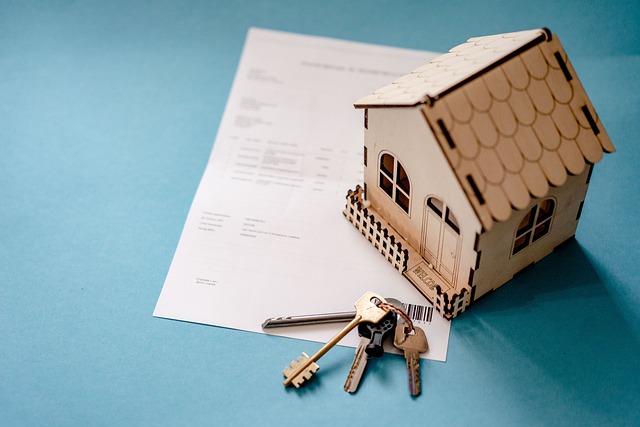
Affordable Housing: A Smart Investment Move
Think real estate investment and your mind probably jumps to luxury condos or trendy neighborhood flips. But there’s a less flashy path that’s gaining momentum—and it’s worth a closer look. We’re talking about affordable housing. And no, it’s not just charity work. It’s solid business.
Here’s the simple truth: demand is off the charts. Affordable rentals are snapped up quickly and rarely sit vacant. Plus, there’s often financial backup from the government—grants, tax incentives, or fast-track permits—that make these projects easier to fund and execute.
This isn’t speculation. Cities like Calgary, Vancouver, and yes, Toronto, have seen affordable developments bring real, lasting value to neighborhoods. They don’t just help tenants—they improve surrounding property values, reduce crime, and boost local economies.
And long-term outlook? Looking good. As political appetite grows for more inclusive housing, investors who get in now are setting themselves up well for the future. You’re not just parking your money—you’re putting it to work where it matters most.
Affordable housing lets you build wealth while being part of a bigger social win. And that feels pretty great when you can say your investment isn’t just growing a portfolio—it’s growing a community.
The Future You Invest In
At the end of the day, where you place your money says a lot about what kind of future you’re backing. Investing in real estate isn’t just about flipping units or riding the equity wave. It’s about recognizing that cities thrive—or struggle—based on how well people can live in them.
If we want stronger neighborhoods, better schools, lower crime, and thriving businesses, we have to start with housing. Affordable, accessible, livable housing. The kind that welcomes families, not just investors. The kind that creates communities, not just buildings.
And here’s the best part: none of this means you sacrifice returns. In fact, aligning with values like fairness, equity, and long-term growth often leads to smarter, more stable investments. The market is catching on—policy is changing, and funding is being directed toward these very goals.
You don’t need to be a millionaire or policy expert to make a difference. Start small: research housing initiatives, join networks that prioritize people over profit, or talk with a developer who’s doing things differently. There’s space for you in this movement.
True wealth isn’t about numbers on paper—it’s about the city your kids will inherit, the streets your neighbors walk, and the lives that flourish because housing wasn’t treated like an afterthought. You can help shape that future. You’re not just a number in the economy—you’re part of the solution.
From Witness to Change-Maker
Now that you’ve seen the bigger picture—from the tents at Dufferin Grove to the policies that push people into them—it’s clear this isn’t someone else’s issue. It’s ours. Yours. Mine. All of us who have the means to live comfortably, and perhaps invest, have a role to play.
This crisis doesn’t solve itself. And it won’t be fixed by chasing short-term market spikes. What makes a real impact are people and policies that look beyond quarterly earnings and think about generations ahead.
Affordable housing is no longer a “nice idea.” It’s a necessity. And if we treat it that way—putting support behind it with dollars, votes, or influence—we’ll see dividends that numbers alone can’t measure. Safer streets. Better schools. Real community.
You can do more than watch it all unfold. You can lead. Whether it’s through purposeful investing, teaming up with ethical developers, or just having more informed conversations with your peers—your action matters.
So, what kind of city are you investing in? One that lifts everyone—or leaves people behind? That’s the decision in front of us. And it starts with you.
If you enjoyed this article, and is someone interested in learning more about investing, particularly about our mortgage fund, be sure to join our VIP list here.