
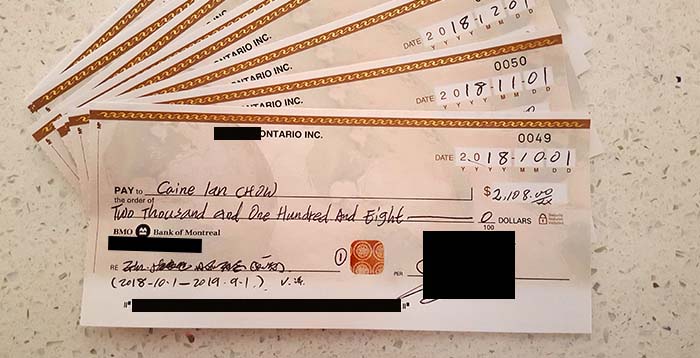
A couple years ago I arranged a cash out refinance on a property I own. I was able to pull out over $250k. I used this cash and lent it out to a private individual at 10% interest, first position at 65% LTV (aka Loan to Value). I received a cheque for over $2k every month. The term was one year. After paying the bank I borrowed the $250k from, I netted around $12k in additional income for that year. The private lender paid back my initial investment of $250k as agreed in 12 months. This was my first mortgage investment.
Mortgage investing is where you lend your money to an individual looking to purchase real estate. Or to a mortgage fund where an organization pools their investor’s financial resources together and invests in mortgages.
How to Get started:
1) Most people I know will pull a line of credit or another mortgage against their property to obtain cash. Essentially borrowing against their home to invest. Speak to a mortgage broker about your objective. They will help you setup a larger mortgage or line of credit.
2) Once you have cash to invest in mortgages, look for a borrower. A good place to start will be your real estate lawyer or your mortgage broker. Mortgage brokers get paid when they connect you to a lender and again when they connect you to a borrower (via broker fee). They should be happy to assist.
3) Once you have found the borrower, sit back and deposit cheques to the bank or better yet, setup direct deposits into your account.
General Fees:
Luckily, there are no fees for the lender. Private mortgages are typically interest only, with no principal payments. The borrower pays for all fees including legal fees for both the lender and borrower. Legal fees are approximately $4k to $5k in total. In addition, the borrower pays for the broker fees. Broker fees are for the time the broker takes to connect a borrower with a lender and to process paperwork. This fee ranges from 0.5% to 2.5% of the loan. Further the borrower is responsible for lender fees which usually is the same amount as the broker fee. The lender fee will be the amount you usually receive from the borrower upon closing the mortgage. A typical term for private mortgages are usually six months to one year.
Mortgage Positions + Interest Rates:
Mortgages has positions. If you are in first position on the loan, you get paid first should there be a default. 2nd positions mortgages are riskier, but the reward is greater. Should there be a default, the 2nd lender gets paid after the first position lender. Private first position mortgages normally earns you an interest of 8%-10%, while 2nd position mortgages are normally at 10%-12%.
Loan to Values:
It is important that you do not lend your money for more than the value of the property. Hence, lenders will always have the property appraised by a firm they prefer. The lower the loan to value, the safer the investment. First position lenders normally will not lend for more than 75% of the value, while 2nd positions will typically lend no more than 85%. Should the borrower default, the lender will take back the property and sell it at market value, this usually recovers their initial investment. 75% LTV gives them a buffer zone.
Compounding VS Monthly Payments:
If you’re in a mortgage fund, you may have your money reinvested back into the fund thus creating a compounding effect. For example, an investor starts with $100k @ 12% interest. At the end of year two, they will have earned $12k. At the end of year 3, they will have $25,440 in total, ecetera. Therefore, making the investor an extra $1440 using the compounding strategy versus getting paid monthly.
Selling Mortgage Investments:
Selling mortgage investments is another revenue option. Perhaps a mortgage investor has a great deal lent out to a borrower. Should another investor be interested in this investment, they might be able sell this note to the interested investor. For example, Investor A has a note for $100k at 13% interest only. Investor B wants their deal and pays Investor A $10k to buy this investment from them. Investor A therefore earns $10k plus his initial return of $100k back. He can then continue to search for another opportunity. Please speak to an attorney for more information about this piece in the transaction.
Case Study:
Jim is thinking about retirement, he has been working for all his life. He owns a house with no mortgage on it as he spent 25 years paying it down. He decides to arrange a mortgage so he can invest. It will bring him additional income during the retirement years. His house is appraised for $2.5m. The bank approves him for 75% LTV or for a $1,845,000 mortgage at 4% interest and principal. He arranges a cash out refi. He finds a mortgage fund. The fund will pay him 10% interest per year. After paying the institution, he will net 6%, in other words, he gets paid just under $6k a month in passive income. Should there be defaults within the fund, there are normally enough investments to recover the loss without directly affecting Jim.
Note, $1.8m is quite a bit to put into one investment vehicle. Please speak to a financial advisor to assist you on where to allocate the funds properly to reduce the risks.
Conclusion:
Home ownership gives you access to many possibilities. If one is interested but struggling to purchase the first property, you may consider reading my blog on 3 Steps to Buying Your First Property. If you already own a property for a couple of years and have equity built up, private mortgage investing is a great form of passive income. If you are interested to learn more about this, I can connect you to a broker I’ve worked with for nearly ten years.
Alternatively, I’m normally the one borrowing funds for my projects. I typically use the funds to purchase and renovate properties. Your funds are secured by the real estate I purchase. When I complete a project, I will sell the property, thus paying you back your initial investment. In addition, you will receive interest on your money I borrow. The length of the project typically last from a few months to one year. I’ve been in the real estate industry for nearly fifteen years. If you’re interested in lending funds, use the form to contact me directly below.
Please consult with a professional prior to making any investment decisions. The information presented in this blog are for illustration and entertainment purposes only.
Error: Contact form not found.