
Key Takeaways:
- See how the Denare Beach wildfire caused a serious housing problem.
- Learn how disasters affect home prices and rentals.
- Discover smart ways to invest in housing after a crisis.
- Find out how your money can help rebuild communities.
- Understand where government and private help meet.
- Learn how your investments can do good—and grow too.
Turning Crisis into Investment Insight
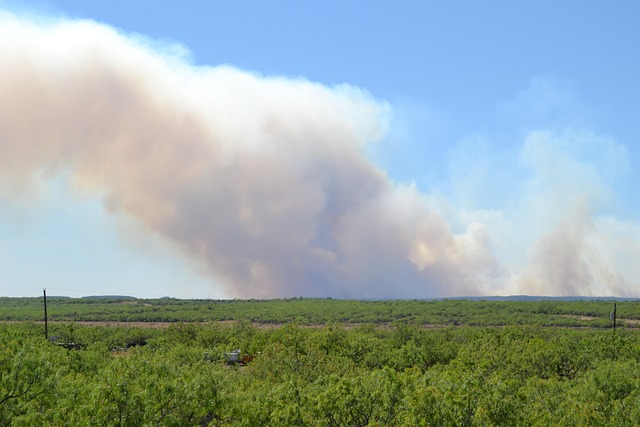
In June 2025, Denare Beach, Saskatchewan—and its 700 residents—got hit hard. A wildfire swept in, forcing locals to flee and leaving scorched homes and businesses behind. What was once a calm lakeside town turned into a scene no one expected to see in Canada. It’s a brutal reminder: when disaster hits, it doesn’t just torch structures. It spills into the lives, jobs, and futures of the people left in its wake.
Across Canada, these sorts of events aren’t rare anymore. Fires, floods, freak storms—they’re starting to feel normal. And with them come big shifts in housing. Prices swing wildly. Entire rental markets vanish in days. Whole blocks become unlivable. For homeowners in their 30s and 40s looking to grow their future, this means rethinking how and where we invest.
But here’s the thing—within disaster, there’s also the spark of opportunity. The need for solid, flexible housing has never been greater. And the kind of investments that actually help people? Those are the ones that tend to stick. So let’s talk about how crisis moments can shape smarter, more meaningful investments. Think modular homes, fast financing, and strong communities—because wealth doesn’t have to come at the community’s expense. In fact, it might just depend on it.
The Denare Beach Wildfire – A Village Uprooted
The fire came fast. By mid-June, Denare Beach was in full evacuation mode. Hundreds left with whatever they could carry as flames closed in. The numbers are one thing—dozens of homes gone, businesses erased—but the real story hits deeper. Generations of memories, quiet routines, local shops where “everyone knows your name”—all vanished in a matter of hours.
Aside from the heartbreak, the financial damage was immense. Jobs disappeared when businesses shut down. People scrambled to find places to live. Demand for housing jumped while supply plummeted. And just like that, rent prices easily crossed $1,000/month—a scary number in a small town where average incomes don’t run high. Some residents moved in with family; others left for good.
Disasters like this no longer feel freakish. Wildfires, fueled by dry weather and hotter summers, are reshaping Canada’s smaller towns. And that’s where things get serious for both homeowners and investors. When an entire town is displaced, housing markets shift drastically. So do insurance requirements, municipal revenues, and renter demand.
There’s no sugarcoating it—Denare Beach is just one of many towns now caught between crisis and recovery. But what we’re seeing here signals bigger changes in how to think about investing in real estate, especially if you want your dollars to support more than just the bottom line.
Housing Shortage and Surging Prices – A Perfect Storm
Once the smoke cleared, the damage was painfully visible. Nearly half of Denare Beach’s homes were gone—and so was the sense of normalcy. Suddenly, even old campers and spare-room basements became prime real estate. The rental game flipped overnight. A town where $600 used to cover rent was now looking at $1,000 and up.
The stories hit hard. Brittany Holmgren, a local teacher, lost her home and is now borrowing a camper to get by. Jennifer Hysert? She’s tucked into her parents’ basement while combing the few listings she can afford. These aren’t outliers—they’re examples of what a housing crisis really looks like when you’re living it.
But this chaos also revealed something: it’s time to get creative. The demand for housing is urgent. And temporary solutions like modular homes, while not perfect, are proving essential. Investors who pay attention see the long game here. When housing needs explode overnight, the people who can provide safe, fast alternatives hold more than opportunity—they hold real power to make things better.
In a crisis, helping people and growing capital don’t have to be opposites. This situation makes a solid case: when your investment fills a real need, both communities and portfolios have a shot at recovery.
Temporary Solutions – Modular Housing and Government Response
With homes lost and shelters crowded, the Saskatchewan Public Safety Agency stepped in to offer a quick fix—modular units. Up to 35 of them were promised, with rents ranging between $680 and $1,700 depending on size and amenities. For many, this provided instant relief. For others, not so much. Wait times stretched, costs didn’t always match income, and space was tight.
Modular homes are a rising star in the emergency housing world. They’re fast, adaptable, and work wonders—especially in remote spots like Denare Beach. But patchwork solutions aren’t enough on their own. You can’t rely on a handful of modules and hope a town comes back to life.
That’s where smart private investment can level up the recovery. Government helps set the base, but private support—through mortgage loans, construction financing, or rent-to-own programs—keeps momentum going. When these forces team up, entire neighborhoods can rebuild smarter and faster.
And let’s be honest, there’s upside here. It isn’t just feel-good investing. It’s real returns, driven by real demand. Modest, well-placed investments in modular infrastructure could mean faster occupancy, reduced costs, and better quality of life for residents. For Canadian investors ready to align purpose with profit, there’s never been a more relevant time to get involved.
The Economic Fallout – Tax Base Collapse and Municipal Strain
Here’s the thing no one talks about after a wildfire: when the homes go, so does a town’s income. Denare Beach lost more than roofs—it lost tax payers, utility bills, local shopping. And when that happens, basic services start to crack.
Think about it. Municipalities fund things like schools, trash pickup, fire trucks—all on property taxes and fees. When buildings burn and residents flee, those payments vanish. Suddenly, projects that were routine—a road repair, water testing—are unaffordable. It’s a scary domino effect.
And it spreads. Business closures mean more unemployment, which leads to fewer people staying (or coming back). Young workers often leave first, chasing jobs elsewhere, making it even harder for the town to rebound. It’s not just an economic cost—it’s cultural too.
For investors, understanding these ripple effects matters. These aren’t abstract policy headaches—they’re real barriers to long-term stability. That’s also why this moment can be transformational. Investors who help fund recovery—through financing for rebuilds or aid for displaced owners—aren’t just betting on real estate. They’re helping kickstart entire ecosystems.
When a town’s tax base falters, smart investments can support the rebuild—from new housing stock to job-creating developments—making recovery not just possible, but profitable.
Accountability and Resilience – Community Voices and Government Gaps
After the fire, Denare Beach wasn’t just filled with ash—it was filled with questions. Where was the early warning? Why wasn’t there a better plan? Residents weren’t just mad—they were scared and confused. And honestly? They had a point.
It’s 2025, and wildfires aren’t some rare seasonal surprise anymore. They’re here—loud and often—and small towns like Denare Beach frequently don’t have the preparation (or the resources) to fight back effectively. Most folks weren’t demanding miracles. They just wanted real help, faster.
And this is where smart investors should listen close. Because in those community frustrations lie chances—not to replace government, but to add critical support where it’s missing. Want to fund fire-resistant housing? Back early-warning systems? Help build resilient neighbourhoods? Yes, please.
From modular-home financing to new property developments built around safety codes, there’s plenty of space for purpose-driven capital. And the residents? They’ll notice. Trust doesn’t just come from buildings going up—it comes from communities seeing who stepped in when it mattered.
Stronger towns don’t happen by accident. It takes foresight, empathy, and investment with a steady hand and a clear conscience. This isn’t about charity—it’s about building the kind of community people want to live in. And stick with.
Rebuilding and Recovery – Where Mortgage Investment Fits In
Rebuilding Denare Beach won’t happen overnight. But piece by piece, it is happening—and that’s where mortgage investors come in. This isn’t just a story about government grants and EMO trailers. It’s about financing real futures.
Investors have an open lane here. Developers need funds to start new builds—especially ones like modular housing that can spring up fast. Mortgage-based investments can kickstart that process, from construction loans to creative mortgage products. Every new home started is hope in progress.
Don’t overlook refinancing either. Families who’ve lost homes or seen incomes drop need flexible terms. Offering solutions like bridge loans or adjusted packages helps them rebuild without drowning in debt. It makes a tangible difference—and it makes business sense.
Then there’s innovation. Rent-to-own on modular setups, financing temporary housing that transitions into permanent homes—it’s all on the table now. The need is there, and the return potential is real.
This isn’t about taking advantage of tragedy. It’s about recognizing that people need help standing again—and knowing your investment might be the thing that lets them. If you’re in a position to fund futures, Denare Beach is calling.

Modular Homes and Climate-Smart Investment
Let’s get real: rebuilding isn’t optional anymore—it’s urgent. And in places like Denare Beach, modular homes are turning out to be a game changer. They go up quickly, cost less, and hold their own against wild Canadian weather. What’s not to like?
In remote towns especially, bringing in construction crews and materials is a logistics puzzle. Modular homes solve a lot of that. They’re built off-site and arrive ready for action. Some go up in days—not months. They’re energy-efficient, designed to resist the elements, and a smart answer to an uncomfortable truth: disasters are getting worse.
For investors? This is fertile ground. Lenders are exploring targeted mortgage products, manufacturers are hungry for capital, and families are desperate for sensible housing. Bridging these worlds creates new investment streams that do more than pay back—they pay forward.
Financing a modular housing project isn’t just solid money sense—it’s also investing in recovery. In resilience. And in the kind of innovations that will be necessary as climate change rewrites the housing playbook.
If you’re looking to connect your portfolio to real-world change, modular homes should be on your radar. Not everything that matters shows up in the markets—but the impact? That’s always measurable.
Lessons for the Canadian Investor – National Trends and Local Action
What happened in Denare Beach isn’t just local anymore. It’s part of a larger puzzle Canadian investors need to solve. Look around—wildfires from BC to Alberta, floods in the East—it’s happening now. And it’s reshaping how people live, and where.
That shift affects everything. Older real estate models might not cut it when entire areas become uninsurable or unlivable. But capital can adapt. Investors with an eye on modular homes, fast-to-deploy rentals, and climate-smart developments can be ahead of the curve.
It’s about knowing which housing types are both nimble and resilient. And more importantly—where your capital can spark something good. Crisis is showing us where gaps exist. Good investments fill those gaps in ways that help communities rebound stronger.
So rather than turning away from towns hit by disaster, maybe it’s time to lean in—with strategy and empathy. Mortgage investors who take the long view can build more than portfolios—they can shape recovery trends coast to coast.
The lesson? Don’t just look at the numbers. Look at where impact meets opportunity. That’s the new space for growth.
Conclusion – Building Wealth with Purpose
The wildfire in Denare Beach lit a fire under more than just forests. It exposed weaknesses in our housing systems, but also revealed the strength of collective effort—and the role investors can play in rebuilding what’s been lost.
Let’s drop the idea that doing good and making money are separate lanes. They’re not. Investing in climate-ready modular housing. Supporting flexible mortgages for displaced homeowners. Backing new builds with community in mind. That’s how you grow wealth that actually matters.
Every dollar you invest can be a vote for the kind of Canada you believe in. One where families find their way back home. Where small towns bounce back. And where resilience isn’t a buzzword—it’s built into the foundation.
So ask yourself: are you ready to invest with purpose? Because in a world shaped by an uncertain climate, the investor who helps rebuild now could be the one who helps define what’s possible next.
If you enjoyed this article, and is someone interested in learning more about investing, particularly about our mortgage fund, be sure to join our VIP list here.